

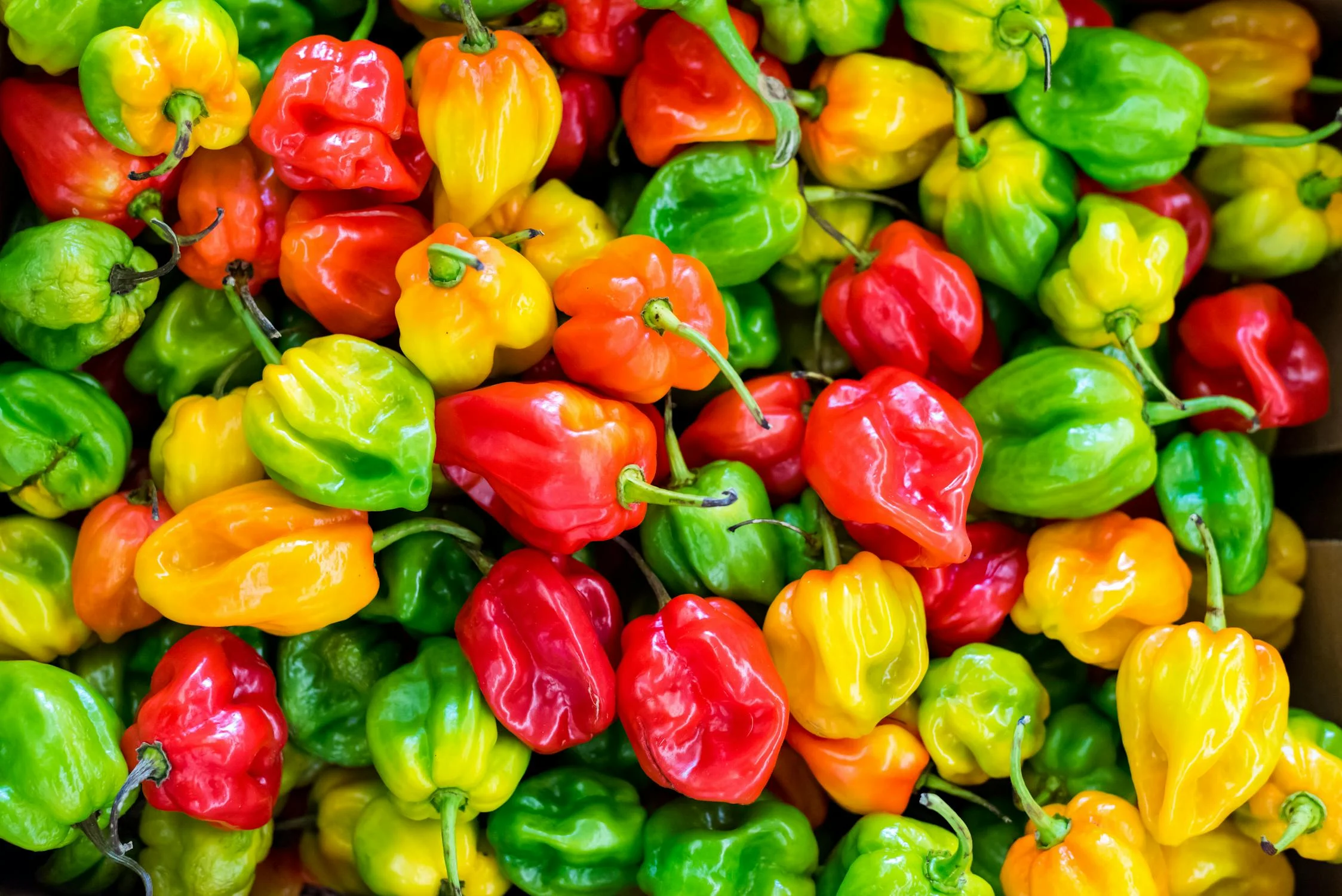
 spicy peppers
Reminder: what is the spiciness measurement scale?
The Scoville scale was established in the United States in 1912 by scientist Wilbur Scoville. It is a unit of measurement for the degree of spiciness. To conduct his tests, he pureed fresh peppers and then diluted them in sugar water. He then had a panel of 5 people taste it, and as long as the testers felt the heat (caused by capsaicin, the spicy molecule in peppers), he added water until the capsaicin became undetectable. For example, Cayenne pepper is measured at 30,000 on the Scoville scale, meaning it needs to be diluted 30,000 times for the spicy sensation to disappear.

The limitations of Wilbur Scoville's invention of the Scoville scale
However, this testing method is approximate because it is based on the tasters' perception. The perception of spiciness varies considerably from person to person, it's enough that a person has been accustomed to eating peppers from a very young age; this person will need to dilute the pepper puree much less to no longer feel the heat, unlike an unaccustomed person who will still feel the capsaicin because they are more sensitive.
Capsaicin is now measured in the laboratory
It's important to know that fresh peppers are scientifically measured at the University of New Mexico. The method used is liquid chromatography, a technique in analytical chemistry that allows for measuring the exact capsaicin content of a pepper.
The Guinness Book of Records has also validated the potency of the most extreme peppers such as the Carolina Reaper in 2013, then dethroned by Pepper X in 2023 with its 2,693,000 on the Scoville scale. These records are validated and certified by bailiffs to guarantee the accuracy of the tested data.
Validated but changing scientific data
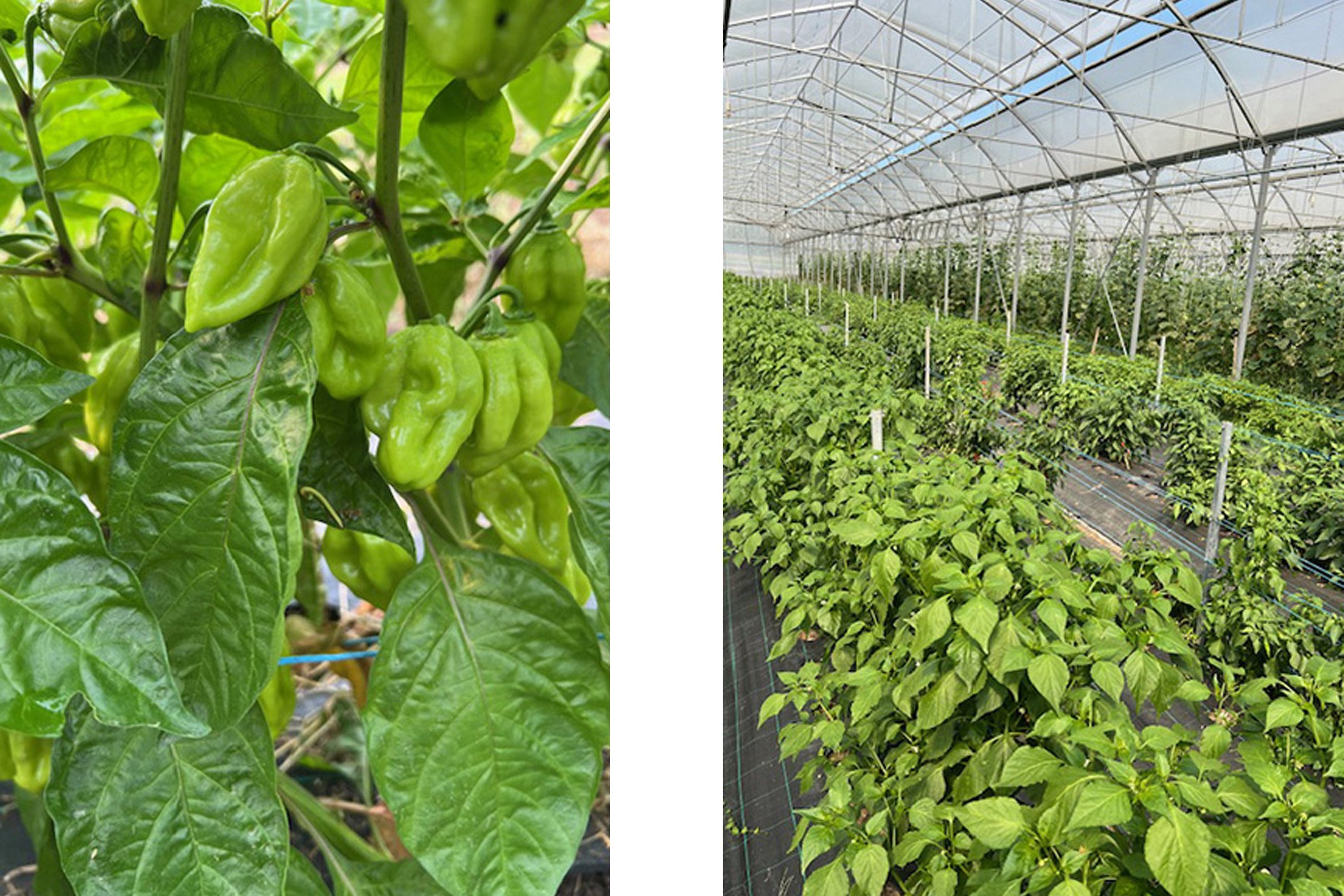
However, we regularly remind that even the potency of fresh peppers can vary depending on sunlight, hydrometry, and soil that doesn't have the same nutrients from one plot to another. Just like wine, the same grape variety will not have the same sugar content or will have different flavors depending on the year or the region where it grew.
This is called: nature! On the same plant for example, there can be one fruit that is much spicier than another (and yes, it's not because they grew on the same stem that they are identical).
What do we base our Scoville scale estimates on?
Our sauce-piquante site has existed since 2010, we have tasted thousands of sauces and other spicy products which has allowed us to gain experience. Our estimates are therefore based on 15 years of tastings of hot sauces and fresh peppers.
We then compare the tasted products with fresh peppers and capsaicin extract to give them an approximate value on the Scoville scale. The diversity of products tested also allows us to classify them into 4 different categories (mild, medium, hot, extreme) to make it easier for you to choose among our 1,500 different sauce references.
Once again, the perception is not the same from one person to another, we see this especially when we do our tastings, which is why the Scoville scale we provide is an average of the results from the Sauce Piquante team.
Moreover, depending on the recipe, the sensation of heat is distorted, for some people a sauce containing sweet fruits will make the sauce less powerful. Conversely, others will feel less capsaicin when the sauce has a certain acidity mixed with a pronounced salty side.
For the creation of sauces from our French brand Hellicious, we taste each batch and readjust the Scoville values if they change depending on the batch of fresh peppers received.
Why estimate the Scoville scale if it's variable?
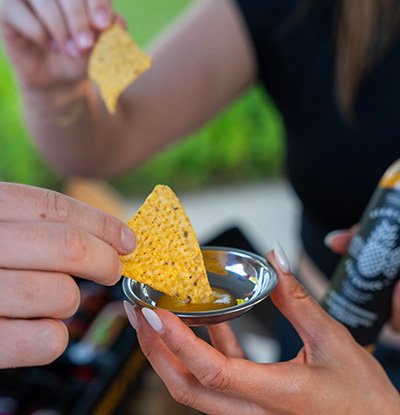
Our estimates serve largely to protect customers who are not accustomed to spiciness, so that they are careful during tasting and are not shocked by the extreme nature of a sauce.
Furthermore, estimating the strength of a product allows you to situate it and gradually taste your sauces if you have several.
You are also testers of the Scoville scale
As we've seen previously, the Scoville scale invented by Wilbur Scoville included a panel of tasters. When you consume a sauce, you can also rate it, whether it's the degree of spiciness or its taste, what matters is your opinion.
That's why we work with a certified organization Avis Vérifié so that you can give your opinion on all the sauces you have consumed. By doing this, you allow others to read an objective point of view on the product.
Thanks to these comments, you can see that the Scoville scale is unique to each person, the perception changes from one person to another. Even if a hundred comments indicate that it's an extreme sauce, there will always be someone who will say they didn't feel a flagrant heat, and that's fine because we are happy to read your opinions whatever they may be!
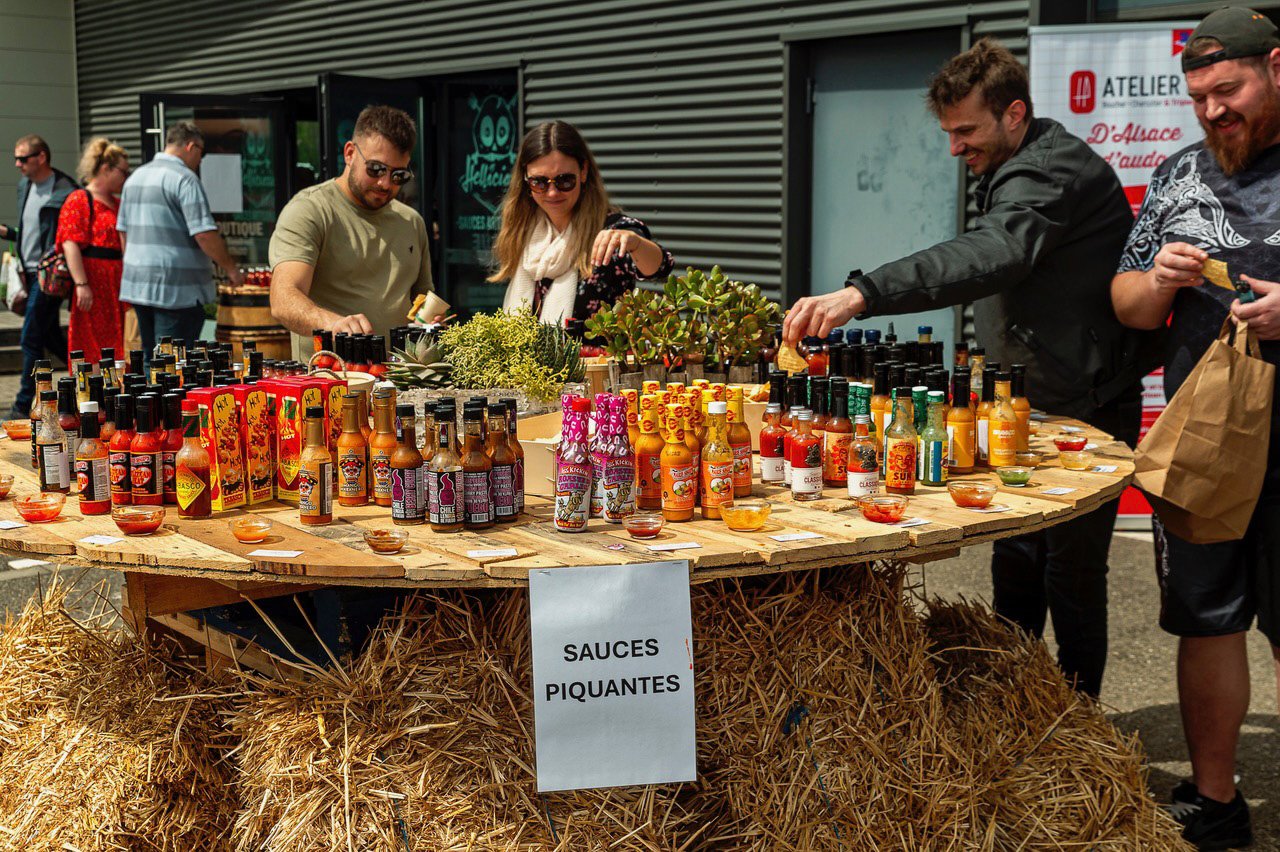
Take the opportunity to come discover our Hellicious sauces

Discover Our Best Hot Sauces
Hellicious Chipotle Pepper Puree: Intense Smoky Taste for Spicy and Flavorful Recipes

Mild hot sauces
Jalapeño Rum Lemon Hot Sauce Hellicious - Fresh and tangy French artisanal sauce

Strong hot sauces
Hellicious Hot Sauce: The Artisanal Hot Sauce that Awakens Your Taste Buds

Medium Hot Sauces
Hellicious Artisanal Aji Amarillo Chili Pepper Puree - Mild, Fruity, Exotic


