


- To make sure you don’t miss anything and get all the information you need to grow peppers successfully, check out our Ultimate Guide to Growing Peppers
This pepper is a Jalapeno-type hybrid with a uniform conical shape and a smooth texture. At 8,000 on the Scoville scale, it has heat comparable to a common Jalapeno. The plant can reach 90 cm tall and produces a very good yield. Like many other Jalapeno varieties, it’s harvested before it reaches its ripe color, so don’t let the peppers turn red on the plant. Enjoy this variety while it’s yellow-green!
- Heat: 8,000 on the Scoville scale.
- Plant height: approximately 90 cm.
- Medium-sized fruit, approximately 8 cm long.
- Fruit color: yellow-green while growing, red when ripe.
- Species: Capsicum annuum.
- Ideal germination period: January to April.
- Harvest: between September and November.
What Equipment Do I Need to Grow Peppers?
For the best results, we recommend having the following on hand:
Jalapeno Biker pepper seeds.
An enclosed growing space, such as a mini greenhouse.
Coconut coir pellets, peat or cotton (for germinating the seeds).
Labels (so you don’t mix up your seedlings).
Potting soil (ideally a mix of 50% dark peat and 50% light peat), or flowering potting mix will also do.
Pepper fertilizer, tomato fertilizer or, for those in the know, 5-5-10 fertilizer.
A spray bottle or watering can.
Gloves (if you don’t like touching soil).
Pots 7 or 8 cm in diameter to start with, followed by pots of 10 liters or more for transplanting, depending on the pepper.
To make things easier, we offer a mini greenhouse for growing your peppers.
How Do I Germinate My Pepper Seeds?
Growing peppers takes patience and a little know-how, but don’t worry: we’ll explain everything you need to know to germinate your pepper seeds!
Pepper seeds are generally sown early in the year, in January at the earliest and by March for the start of spring. You’ll need the equipment listed above.
You have two options:
Plant a seed directly in a pot filled with potting soil, about half a centimeter deep.
Place a seed on a coconut coir pellet or a piece of cotton.
Either way, once the seed is in place, spray on enough water to moisten the soil or cotton without soaking it. Then put your coconut coir pellet or cotton in a container such as a mini greenhouse, which will retain heat and moisture while allowing oxygen in. If you’re using a flowerpot, you can simply stretch plastic wrap over the top and make small holes in it with a toothpick to let air reach the plant.
Ideally, maintain a constant temperature of 28°C. You can place the container by a sunny window, on or near a radiator, or on a heating pad or seedling heat mat designed for the purpose.
OUR TIP:
Put your mini greenhouse on top of your internet router!
Remember to air out your growing space from time to time to prevent fungus while keeping the soil moist. Once the first leaves appear, make sure your seedlings get enough sunlight—12 to 14 hours a day. When the second set of leaves is well developed, you can transplant them.
Once potted, keep your plant near a heat source and in the sun. Ideally, try to filter the light to prevent it from overheating.
After the last frost, around mid-May, you can move your plant outside. Plant your pepper in the ground if you like, or leave it in a pot and put it on a balcony, a windowsill or even along a wall, preferably on the south side.
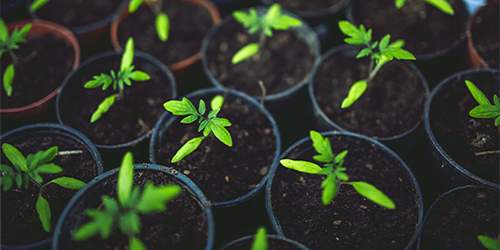
How Do I Water My Jalapeno Biker Pepper?
When watering your Jalapeno Biker pepper, be careful not to overwater. Too much water can drown and kill the plant. Simply let the soil dry out between waterings to discourage insects and avoid waterlogging the plant.
Once the plant is well developed (when it reaches about 30 cm tall), you can induce water stress by stopping watering for several days before resuming. Be careful not to overdo it, though—it would be a shame to let your pepper plant die.
How Do I Prepare for a Good Harvest?
Once your pepper plant is in place, here are our tips for getting the most out of your future harvest:
When your pepper plant reaches 15 to 20 cm tall, you can pinch the top of the stem (without breaking it). This should encourage bushier growth and a slightly larger yield.
If one of your plants flowers early, remove its first flowers so they don’t drain too much of the plant’s energy.
If your pepper plant is outdoors, insects will pollinate it, allowing it to produce peppers. If it’s indoors, you’ll need to do this by hand: with a clean finger, gently rub each flower in turn.
Feel free to use a bamboo stake or another support for your plant.
When Should I Harvest My Jalapeno Biker Peppers?
As with other peppers, watch the color of your Jalapeno Biker peppers to know when to harvest them! Harvest them when they’re yellow-green.
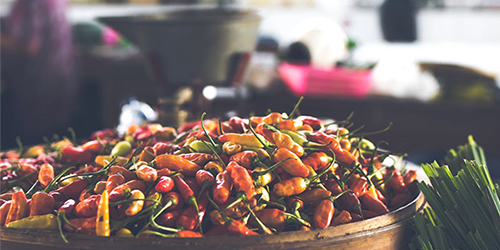
Characteristics
| Capacity | 20 seeds |
|---|---|
| Which chili pepper? | Jalapeño Pepper |
| Scoville scale | 8000 (estimated) |
| Storage | Keep cool |
| What intensity? | 2 |
| Affinities & allergens | GMO-free |
Customer reviews

Très bien
A. Anonymous publié le 30/12/2022
Livraison rapide et produit super...je recommande.
A. Anonymous publié le 16/03/2022
A planter maintenant :-)
A. Anonymous publié le 16/02/2022

RAS .
A. Anonymous publié le 14/12/2021
Ont germé très facilement
A. Anonymous publié le 27/03/2021
€3.80
The Jalapeno pepper in its golden version!

Flawless delivery and reception
Discover the benefits of bulk buying


