

/en/
[row class="c-rcktcms__center"]
[col size="12"]
Known in English as the Dutch chili pepper, it is slightly curved and measures 8 cm long and 1 cm in diameter. This pepper is a hybrid developed for the Dutch market. It is thought to have originated from an Indonesian pepper and closely resembles Thai and Fresno peppers. It is most often used in salsas or as a garnish for soups. It can be roasted, blended into a sauce, or simply eaten as a snack.
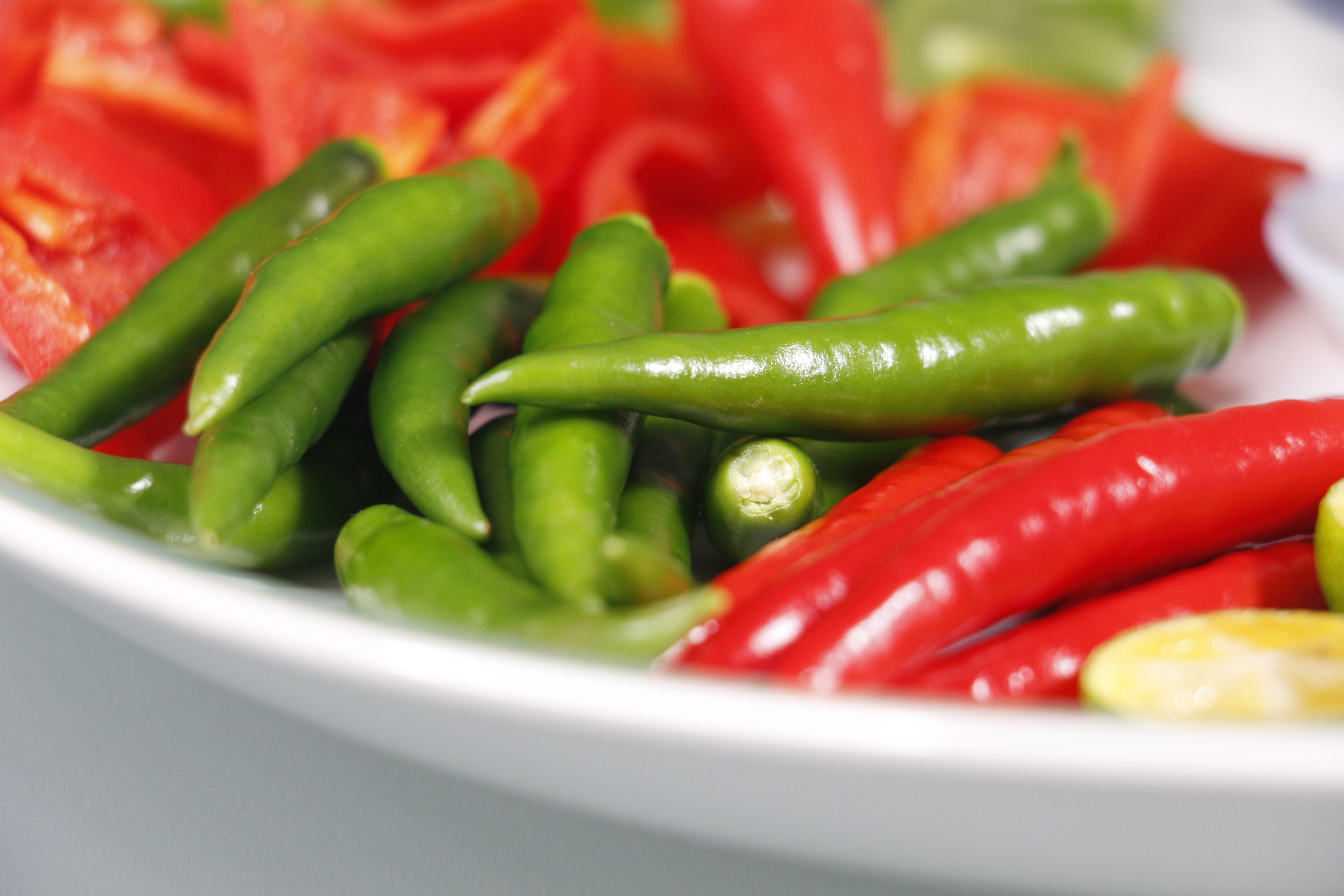
Dutch chili pepper: a slender, aromatic, versatile red pepper
The Dutch chili pepper is long and slender, usually red when ripe, and prized for its fruity flavor and moderate to substantial heat. Its slim, uniform shape makes it easy to recognize and convenient to use in cooking, whether fresh or in hot sauces and spicy dishes.
Common in Asian cuisine, particularly in some Indonesian recipes, the Dutch chili pepper is prized for adding heat without completely overpowering the other ingredients. That makes it suitable both for chili pepper enthusiasts and for people looking to explore hotter varieties.
How hot is a Dutch chili pepper?
The Dutch chili pepper generally measures around 10,000 to 20,000 Scoville Heat Units (SHU), although its heat can vary with the variety, growing conditions, and ripeness of the pepper.
It is considerably hotter than a bell pepper or mild chili pepper, but much more approachable than the hottest peppers, such as Habaneros, Scotch Bonnets, or the various Carolina Reaper varieties.
This medium heat makes the Dutch chili pepper a particularly versatile ingredient for spicing up everyday dishes.
What does a Dutch chili pepper taste like?
The Dutch chili pepper has a fruity, vegetal, and slightly sweet flavor. When used fresh, it brings a gradually building heat and a pleasant aroma that works well in many recipes.
When ripe, its deep red color and more developed aromas make it useful both as an ingredient and as a visual accent in a dish.
Why is it called a “Dutch chili pepper”?
The term Dutch chili pepper is commonly used for long, slender red peppers sold under different names depending on the country and variety. The name can therefore refer to several types of peppers that are similar in appearance and use.
The name does not necessarily mean the pepper originated in the Netherlands. It is associated in part with Dutch horticulture and the sale of long chili peppers in northern Europe.
How do you use Dutch chili peppers in cooking?
Thanks to its elongated shape and relatively approachable heat, the Dutch chili pepper is very easy to use in a wide range of recipes. It can be used whole, sliced, chopped, or blended.
It works especially well in:
- Asian and Indonesian dishes;
- vegetable, meat, or shrimp stir-fries;
- curries and stews;
- stir-fried noodles and rice dishes;
- marinades;
- homemade hot sauces;
- salsas and condiments;
- spicy soups and broths;
- meat and fish dishes.
It can also be used to flavor chili oil. Simply slice it into thin rings and combine it with garlic, ginger, or other aromatics, depending on the recipe.
Fresh or dried Dutch chili pepper
The fresh Dutch chili pepper brings a fresher taste and more vegetal notes to dishes. Sliced into rings, it makes it easy to control the heat and adds a welcome pop of color.
Once dried, the pepper’s flavors become more concentrated. It can be ground into powder or used directly in sauces, marinades, and stews. Dried Dutch chili pepper is therefore a handy seasoning to keep in the kitchen.
Dutch chili peppers in Asian cuisine
The Dutch chili pepper is particularly appealing to fans of spicy Asian cuisine. Its shape and flavor profile make it easy to add to stir-fries, noodle dishes, curries, and sauces.
It can also be paired with ingredients such as soy sauce, ginger, garlic, lemongrass, coconut milk, or fish sauce to create aromatic, spicy dishes.
What’s the difference between a Dutch chili pepper and a cayenne pepper?
Dutch chili peppers and cayenne peppers can look similar when they are red and elongated, but they are not necessarily the same variety.
Their heat, thickness, and flavor profiles can vary. Dutch chili peppers are generally sought after for their balance of heat and flavor, while cayenne peppers are very commonly used dried or ground into powder as a seasoning.
Recipe idea: shrimp stir-fry with Dutch chili pepper
For a simple, aromatic dish, sauté shrimp with garlic, ginger, and a few slices of Dutch chili pepper. Add crisp vegetables, then season with soy sauce and a splash of lime juice.
Serve with rice or stir-fried noodles. The pepper adds a pleasant heat that pairs perfectly with the dish’s savory, tangy, and slightly sweet flavors.
How do you store Dutch chili peppers?
Fresh Dutch chili peppers generally keep for a few days in the refrigerator. For longer storage, they can be frozen, dried, or made into a sauce or chili paste.
When handling fresh chili peppers, wash your hands thoroughly afterward and avoid touching your eyes.
A versatile pepper to spice up your recipes
With its long, slender shape, fruity flavor, and approachable heat level, the Dutch chili pepper is a particularly versatile variety. It makes it easy to spice up dishes without necessarily reaching the intensity of the hottest peppers.
Fresh, dried, sliced, or made into a sauce, the Dutch chili pepper is easy to incorporate into your Asian recipes, marinades, stir-fries, and homemade dishes.
[carrousel products="1059,1138,1276,1277,1799,1800,1801" title="hot " subtitle="the sauces "]
[/col]
[/row]