

/en/
[row class="c-rcktcms__center"]
[col size="12"]
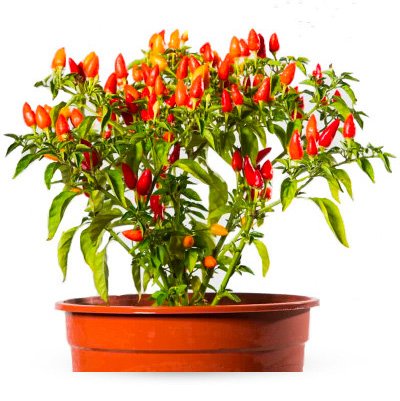
Korean Chili: Origin, Characteristics and Uses
Korean chili, called Gochu in Korean, is a key ingredient in Korean cuisine, known for its unique taste and versatility. This chili is the foundation of many traditional recipes, including the famous kimchi. Less spicy than some other Asian chilies, it is appreciated for its slightly sweet and smoky notes, which add depth and warmth to dishes without masking other flavors.
Origin of Korean chili
Introduced to Korea in the 16th century, likely via China, chili quickly became established in local gastronomy. *Gochu* is now grown throughout the country, particularly in southern rural regions where the warm climate favors its growth.
Appearance and color
Korean chili is typically long (between 5 and 15 cm), slightly curved, with thin skin. It can be consumed fresh (green or red) or dried, then ground into flakes or powder (*gochugaru*), a highly prized form in cooking.
Heat level
On the Scoville scale, Korean chili shows a mild to moderate intensity, ranging between 1,500 and 10,000 Scoville units (SHU). This makes it much less powerful than Thai chili or Cayenne pepper, but ideal for those seeking balanced heat.
Culinary use
Korean chili is omnipresent in Korean cuisine:
- Kimchi: key ingredient in this famous fermented preparation.
- Gochujang: fermented chili paste used in many sauces and marinades.
- Soup and stew: adds body to simmered dishes like *tteokbokki* or *kimchi jjigae*.
- Flakes or powder: sprinkled on noodles, meats, or vegetables to enhance their taste.
Benefits
Rich in vitamins A and C, Korean chili is also a source of antioxidants and capsaicin, known to stimulate metabolism and strengthen the immune system.
Usage tips
To preserve its flavor, it's recommended to store dried or powdered Korean chili in a cool, dry place away from light. Fresh, it can be kept for a few days in the refrigerator.
Traditional recipe: Homemade Kimchi
Ingredients:
- 1 medium Napa cabbage
- 100 g of coarse salt
- 1 liter of water
- 3 tablespoons Korean chili flakes (*gochugaru*)
- 1 carrot cut into julienne
- 3 sliced green onions
- 1 tablespoon minced garlic
- 1 tablespoon fresh grated ginger
- 1 tablespoon fish sauce (or soy sauce for a vegetarian version)
- 1 teaspoon of sugar
Preparation:
1. Preparing the cabbage: Cut the cabbage in half lengthwise, then into 3-4 cm pieces. Dissolve the coarse salt in water and soak the cabbage for about 2 hours, stirring occasionally to ensure proper absorption. Drain and rinse thoroughly with cold water, then let drain well.
2. Preparing the spicy paste: In a large bowl, mix the *gochugaru*, garlic, ginger, fish sauce, sugar, green onions, and carrot. You'll get a red and fragrant paste.
3. Mixing: Put on gloves (highly recommended!). Incorporate the drained cabbage into the spicy paste, massaging each piece well to ensure it's completely coated.
4. Fermentation: Put the kimchi in a clean jar, pressing down well to remove air bubbles. Let ferment at room temperature for 1 to 2 days, then store in the refrigerator. The kimchi develops its flavors over days and can be enjoyed from the 3rd day onward.
This recipe highlights the unique taste of Korean chili, which brings not only heat but also that slightly smoky depth characteristic of traditional kimchi.
[carrousel products="2692,2738,2361,2250,2731,2615,2746,2751" title="Korean" subtitle="products"]
[/col]
[/row]