

🌶️ Peruvian Pepper (Ají Amarillo): Origin, History, Uses, and Recipe
📍 Origin and History
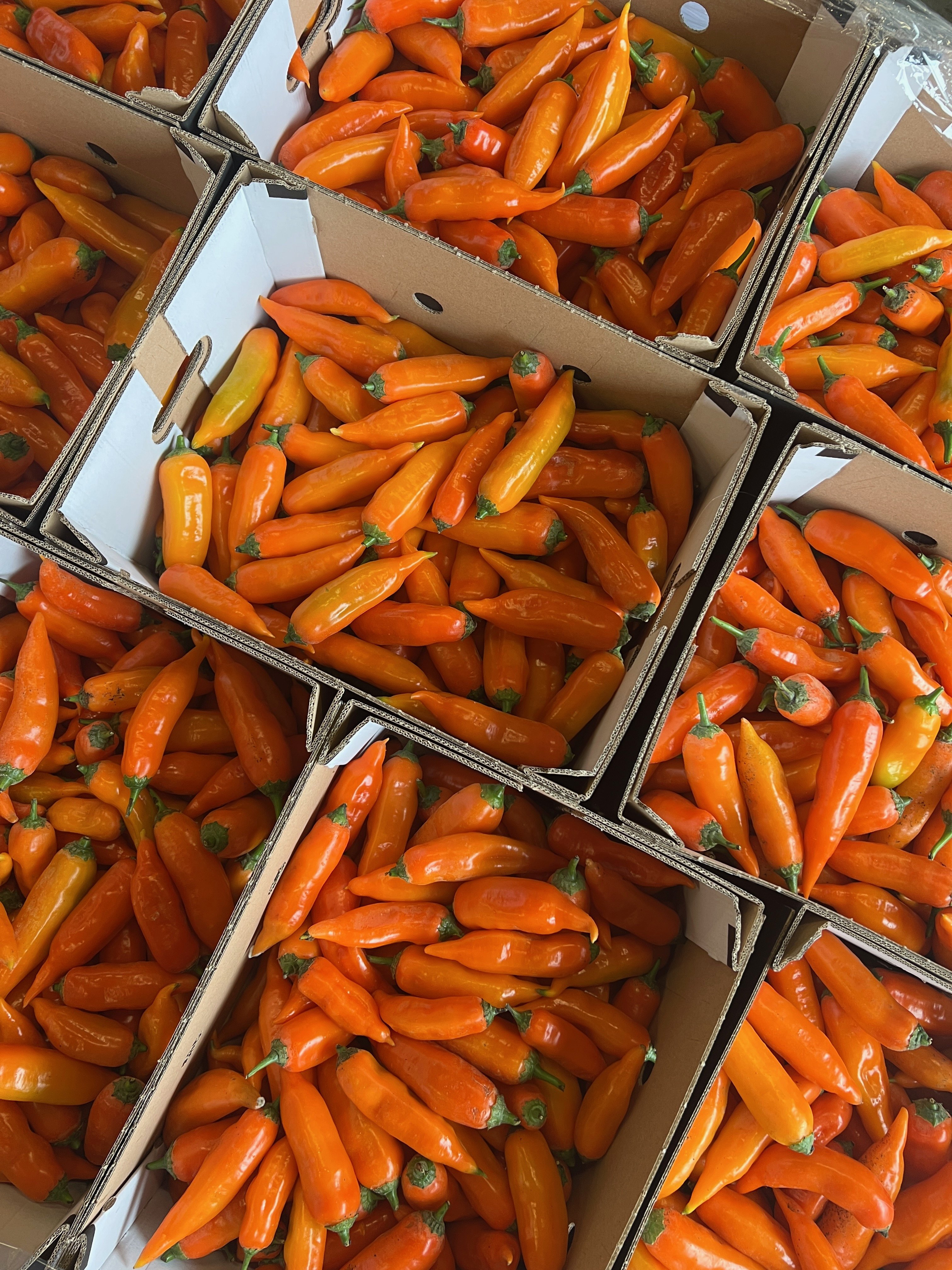
Ají Amarillo, literally "yellow pepper" in Spanish, is one of the pillars of Peruvian cuisine. This pepper belongs to the Capsicum baccatum species, an ancient variety cultivated for over 5,000 years in the Andes. It was already used by pre-Columbian civilizations such as the Incas, and remains today one of the most symbolic ingredients of national gastronomy.
Contrary to what its name suggests, its skin often turns bright orange when ripe, but it's nicknamed "amarillo" (yellow) in reference to its golden color when semi-mature.
🌡️ Scoville Scale
Ají Amarillo has a moderate strength on the Scoville scale, ranging between 30,000 and 50,000 units. It offers a perfect balance between heat and sweetness, with a fruity and floral taste, slightly tropical, which makes it unique.
🇵🇪 A Must-Have in Peruvian Cuisine
Ají Amarillo is omnipresent in traditional Peruvian dishes. It is considered **the soul of Peruvian creole cuisine**, along with corn and potatoes.
It is found in:
- Ceviche, often accompanied by ají amarillo paste
- Ají de gallina, a creamy dish made with chicken, bread, milk, and this pepper
- Anticuchos, marinated skewers typical of Andean street food
- Spicy sauces served with meats, potatoes, or empanadas
Ají Amarillo is often transformed into a paste (pasta de ají amarillo), widely used as a base for cooking.
🍴 Culinary Uses of the Peruvian Pepper
Ají Amarillo can be:
- Fresh: chopped for salads or sauces
- Cooked: incorporated into stews, stuffings, or fried
- Transformed into paste or puree: for sauces, soups, and marinades
- Dried then rehydrated: for more complex preparations
Its particular taste makes it a perfect ally for fish, seafood, white meats, and starchy foods.
🍲 Simple Recipe: Homemade Ají Amarillo Sauce (Aji de Ají Amarillo)
Ingredients:
- 3 fresh Ají Amarillo peppers (or frozen)
- 2 tablespoons of vegetable oil
- 1/2 white onion
- 1 garlic clove
- Salt to taste
- A squeeze of lemon (optional)
Preparation:
1. Remove the seeds and veins from the peppers (wear gloves!).
2. Blanch them twice in boiling water to reduce the heat.
3. Sauté the onion and garlic in the oil.
4. Blend the peppers with the onion, garlic, and a little water until you get a smooth paste.
5. Add salt and lemon according to taste.
👉 This sauce perfectly accompanies grilled meats, steamed potatoes, ceviches, or empanadas.
Peruvian

Medium Hot Sauces
Hellicious Artisanal Aji Amarillo Chili Pepper Puree - Mild, Fruity, Exotic

Strong hot sauces
Hellicious Mango Fury Hot Sauce - Mango & Chili for a Flavor Explosion


Grow Your Hot Peppers - Chili Seeds for Planting
World's most expensive pepper Aji Charapita seeds
